
Porcelain slabs represent the cutting edge of surface material technology, combining high-performance durability with the stunning aesthetics of natural stone. For homeowners seeking a modern, low-maintenance, and ultra-resistant countertop solution, porcelain is a revolutionary choice.
At JRL Granite & Marble, we proudly offer a curated selection of premium porcelain slabs that rival the beauty of the finest granite and marble, providing a surface ideal for the demands of contemporary living.
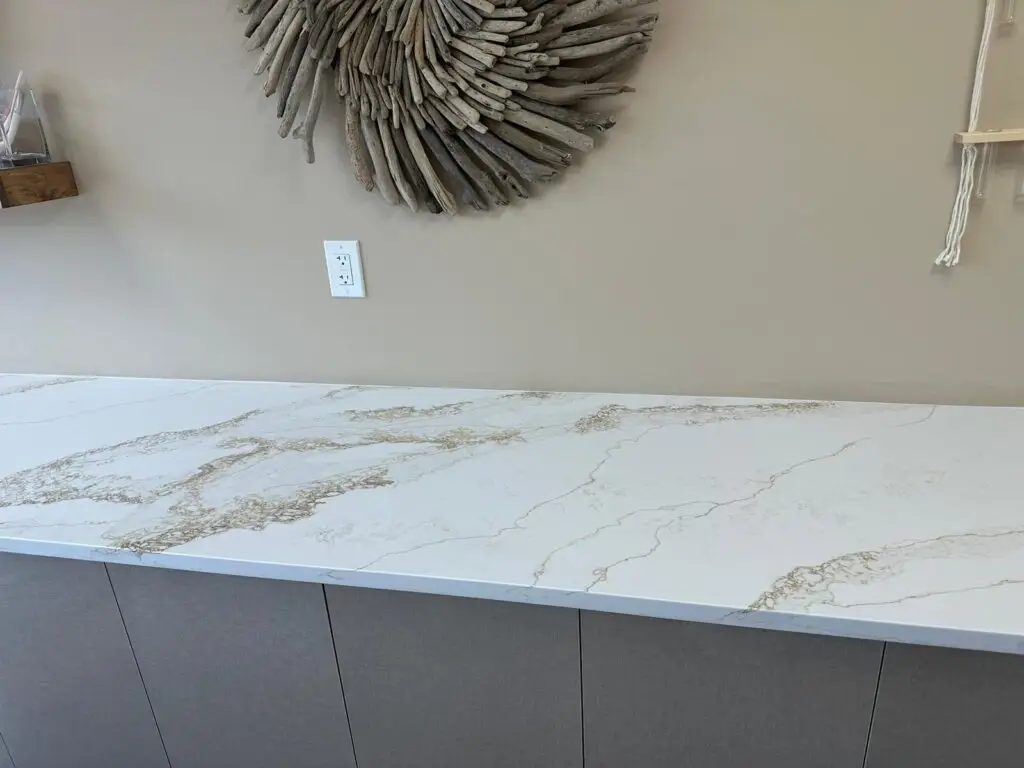
What Are Porcelain Slabs?
Porcelain slabs are an engineered surface created through an advanced manufacturing process that results in one of the hardest and most resilient materials available for kitchen and bath applications.
How Porcelain Slabs Are Manufactured
Porcelain slabs are made from a refined mix of natural materials, primarily ceramic clay, feldspar, and mineral pigments. This mixture is subjected to two extreme processes:
- High-Pressure Compaction: The raw materials are pressed together under intense mechanical pressure.
- Firing at Extreme Heat (Sintering): The slabs are baked in a kiln at temperatures exceeding 2,200°F. This process, known as sintering, fuses the materials into a single, dense, glass-like substance that is non-porous and incredibly hard.
Thickness, Sizing, and Installation Differences
Porcelain slabs are significantly lighter and often thinner than natural stone or quartz. While they can be found in standard thicknesses (like 12mm or 20mm), some are as thin as 6mm, which is used for cladding and vertical applications. For countertops, a thicker profile is often achieved by mitered edge fabrication, where the slab is cut and folded to create a seamless, thick edge profile.
Porcelain vs. Natural Stone
The core difference lies in porosity. Natural stone (like marble or granite) is inherently porous, requiring regular sealing. Porcelain, due to its ultra-high firing temperature, is 100% non-porous. This makes it completely impervious to liquids, stains, and bacteria, offering superior hygiene and lower maintenance.
Benefits of Porcelain Countertops
Porcelain is engineered to thrive in the demanding environment of the kitchen.
Heat Resistance
Porcelain is naturally refractory, meaning it can withstand high temperatures without damage. You can place hot pots and pans directly on the surface without fear of scorching, cracking, or discoloration—a significant advantage over engineered quartz.
Stain, Scratch & UV Resistance
Because the surface is non-porous, wine, coffee, acids, and cooking oils cannot penetrate the material, making it highly stain-resistant. Furthermore, porcelain’s extreme hardness makes it highly resistant to scratching. Unlike some other materials, porcelain is also UV-stable and can be used in sunny indoor areas or even outdoor kitchens without fading.
Lightweight and Ideal for Modern Kitchens
The relative lightness of porcelain slabs makes them an excellent choice for modern architectural designs, such as floating countertops or large islands, where weight constraints might be a factor.
Design Options & Popular Styles
Porcelain’s manufacturing process allows it to replicate virtually any look, from classic marble to industrial concrete, with perfect consistency.
Marble-Look Porcelain Slabs
The most sought-after porcelain slabs are those that replicate the dramatic veining and classic luxury of Carrara, Calacatta, and Statuario marble. Manufacturers use advanced digital printing technology to etch stunning, high-definition designs onto the surface before firing, offering the look of high-end marble without the associated cost, maintenance, or fragility.
Concrete, Matte, and Ultra-Smooth Finishes
Beyond marble, porcelain is popular for achieving modern, industrial looks. Options include:
- Concrete Look: Replicating the texture and subtle variations of poured concrete.
- Matte Finishes: Offering a sophisticated, low-sheen aesthetic.
- Ultra-Smooth: Providing a sleek, uninterrupted surface that is pleasant to the touch.
Large-Format Slabs with Minimal Seams
Porcelain slabs are often available in massive sizes (up to 126” x 63” or larger). This large format is perfect for extensive islands and long countertop runs, allowing for fewer seams and creating a continuous, elegant visual flow.
Porcelain Slab Installation
Due to its hardness and unique properties, porcelain requires specialized handling and installation methods.
Why Professional Installation Is Essential
Porcelain is extremely hard and durable once installed, but the slabs are brittle and prone to chipping or cracking during transport and cutting if not handled correctly. JRL Granite & Marble’s experienced fabrication team uses specialized diamond blades and cutting tables to ensure precise, clean cuts.
Seam Placement Considerations
While large-format slabs minimize seams, when they are necessary, skilled fabricators focus on matching the veining and patterns for a near-invisible transition. This requires careful pre-planning during the templating phase.
Cutting and Edge Options
The thinness and hardness of the material mean that creating a thick, dramatic edge requires precise mitered cuts and bonding techniques. Common edge profiles include eased, bevel, and the mitered edge that provides a contemporary, chunky look.
Maintenance & Durability
The low-maintenance nature of porcelain is one of its biggest draws for busy homeowners.
Cleaning Routine
Due to its non-porous surface, cleaning porcelain is effortless. A simple wipe-down with mild soap and water or a standard non-abrasive household cleaner is sufficient.
No Sealing Required
Because porcelain does not absorb liquids, sealing is never required. This eliminates the annual or bi-annual maintenance cost and effort associated with natural stone or concrete surfaces.
Long-Term Lifespan
When properly installed, porcelain countertops are designed to last for decades. Their resistance to UV, heat, and chemicals ensures they will retain their original appearance with minimal degradation over time.
FAQs
“Is porcelain more durable than quartz?”
Porcelain and quartz are both highly durable, but porcelain has distinct advantages: superior heat resistance and UV stability. Engineered quartz can scorch or discolor if a very hot pot is placed on it, and its color can fade in prolonged direct sunlight. Porcelain handles both heat and UV exposure without issue.
“Can porcelain be used outdoors?”
Yes. Porcelain’s resistance to heat, freezing temperatures, UV rays, and moisture makes it one of the few premium surfaces perfectly suited for outdoor kitchens, patios, and pool surrounds.
“Do porcelain slabs chip easily?”
While the surface is extremely scratch-resistant, the edges of porcelain, like any ceramic material, can be susceptible to chipping if struck sharply by a heavy object (like an iron pot). Professional installers often recommend a slightly rounded or eased edge profile to minimize this risk.
Ready to explore the elegance and engineering brilliance of porcelain for your next project?
Contact JRL Granite & Marble today for a private viewing of our extensive collection of premium porcelain slabs and a complimentary consultation on your kitchen design.