
Taking on a kitchen remodel yourself is a great way to save money and customize your space. For many homeowners, the countertops are a key part of this project. While the idea of a DIY countertop installation can be exciting, it’s important to know which materials are suitable for a do-it-yourself approach and when it’s better to call in the experts.
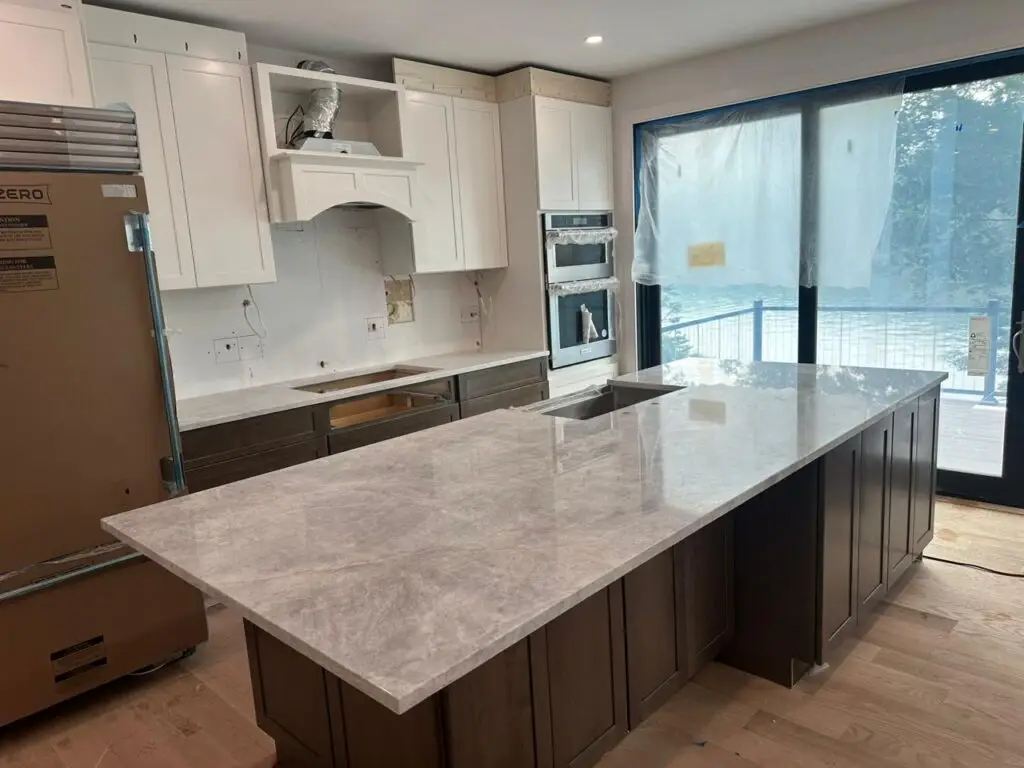
Can you really install countertops yourself?
Yes, for some materials, a confident and prepared homeowner can absolutely install countertops. The success of a DIY project depends on your skill level, the tools you have, and most importantly, the type of material you choose. Materials that are lighter and easier to cut with standard woodworking tools are the best candidates for a DIY installation.
Best DIY countertop materials
When it comes to a DIY project, you want a material that is forgiving and not overly heavy or fragile.
- Laminate: This is one of the most popular and budget-friendly choices for DIYers. It’s lightweight, easy to cut with a circular saw, and comes in a wide variety of colors and patterns that can mimic more expensive materials.
- Butcher Block: A warm and classic choice, butcher block is essentially a large, thick piece of wood. It can be cut and shaped using standard woodworking tools and is easy to sand and finish, making it a great option for a DIY project.
- Tile: Installing a tile countertop is a more intricate process but can be done by a skilled DIYer. It offers endless design possibilities and is a great way to add a unique look to a small kitchen area.
Step-by-step guide for DIY countertop installation
While each material has its own specific steps, a general DIY installation process follows these key stages:
- Measure and Prepare: Accurately measure your cabinet tops and create a template for your new countertop. Ensure the cabinets are clean, level, and ready for installation.
- Cut and Fit: Carefully cut your material to size, making any necessary cutouts for the sink or stovetop. Always double-check your measurements before making the final cut.
- Secure in Place: Apply a strong construction adhesive or use screws and brackets (depending on the material) to secure the countertop to the cabinets.
- Finish and Seal: For materials like butcher block, you’ll need to sand and apply a food-safe oil or sealant. For tile, you’ll need to grout the joints.
Pros and cons of DIY vs. Professional installation
| DIY Installation | Professional Installation |
| Pros | |
| Cost Savings: The biggest advantage is saving on labor costs. | Flawless Finish: Experts have the tools and experience to achieve a perfect, seamless result. |
| Satisfaction: There’s a great sense of accomplishment from doing it yourself. | Safety: Professionals can safely handle heavy and fragile materials. |
| Speed: The job is completed quickly and efficiently. | |
| Cons | |
| Risk of Errors: A single mistake can ruin expensive material and waste time. | Higher Cost: Labor costs will be included in the total price. |
| Safety Concerns: Cutting large pieces of material can be risky without proper training. | |
| Lack of Expertise: You may not be able to achieve a truly seamless, professional look. |
When it’s best to hire a professional
Some materials and situations are simply too complex or risky for a DIY project. For materials like granite, marble, or quartz, a professional installer is not only recommended but often essential. These natural and engineered stone slabs are incredibly heavy and require specialized tools for fabrication and installation, including precise cuts for sinks and faucets. A professional can ensure a flawless, safe, and stress-free installation that protects your investment.
When it comes to the timeless beauty and value of natural stone, trust the experts. JRL Granite & Marble specializes in the professional fabrication and installation of high-quality granite, marble, and quartz countertops.
Ready to see how affordable your dream kitchen can be? Contact us today for a free, no-obligation quote!