
Quartz countertops have skyrocketed in popularity, becoming the go-to choice for modern kitchen renovations across the U.S. They offer a unique blend of engineered perfection and natural aesthetic appeal. But with so many options on the market, it is vital to understand exactly what you are getting before you invest.
At JRL Granite & Marble, we prioritize transparency. Whether you are building your dream kitchen or updating a bathroom vanity, understanding the realities of quartz will help you decide if it is the perfect fit for your home.
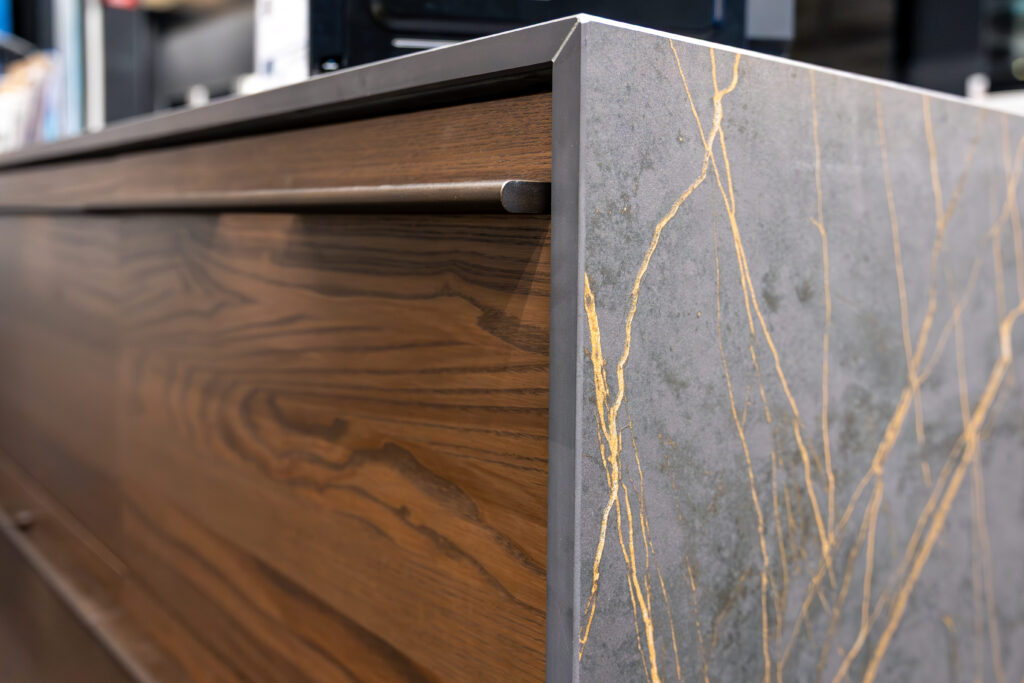
What Are Quartz Countertops?
Unlike natural stone like granite or marble, which are quarried from the earth, quartz countertops are engineered stone. They are manufactured by mixing approximately 90–93% ground natural quartz—one of the hardest minerals on earth—with 7–10% resins, polymers, and pigments. This process creates a surface that is exceptionally durable, non-porous, and customizable in appearance.
Quick Summary: Are Quartz Countertops Worth It?
For the majority of modern households, yes. If you value low-maintenance living, stain resistance, and a consistent, high-end look, quartz is likely the best investment you can make. It removes the “worry” associated with porous natural stones.
Pros of Quartz Countertops
- Non-Porous Surface: Because the manufacturing process fills every microscopic void with resin, quartz does not harbor bacteria, viruses, or mold.
- Strong Stain Resistance: You won’t have to panic over spilled red wine, coffee, or oil. Liquids sit on the surface rather than soaking in.
- Low Maintenance: Forget annual sealing. Quartz never needs to be sealed, polished, or waxed to maintain its performance.
- Consistent Color and Pattern: Unlike natural stone where you must “hand-pick” the slab to see the movement, quartz offers predictable patterns, making it easier to plan your seam layout.
- Wide Range of Design Options: From hyper-realistic marble looks to bold, contemporary solids, the color palette is nearly limitless.
Cons of Quartz Countertops
- Lower Heat Resistance: Because of the resin binders, quartz can be damaged by excessive heat. A hot pan placed directly on the surface can cause “thermal shock” or scorch the resin.
- Not Ideal for Outdoor Kitchens: UV rays from direct sunlight can cause the resins in quartz to yellow or fade over time.
- Uniformity: For homeowners who love the “imperfections” and unique, one-of-a-kind movement of natural stone, some quartz patterns can look a bit too “manufactured.”
- Professional Installation Required: Due to their weight and the precision required for fabrication, quartz is not a DIY project. Professional installation is essential to ensure the structural integrity of the seams.
Comparison Guide
Quartz vs. Granite: Which Is Better?
It depends on your lifestyle. Granite is superior if you want a natural stone that handles high heat without a second thought. Quartz is superior if you want a cleaner, stain-resistant surface that never requires maintenance.
Quartz vs. Marble: Which Is Better for Daily Use?
For daily use, Quartz wins every time. Marble is beautiful but notoriously delicate; it etches when exposed to acidic foods like lemon or vinegar. Quartz provides a similar aesthetic to marble without the fear of etching or staining.
How to Maintain Quartz Countertops
Maintenance is incredibly simple:
- Daily: Wipe down with a soft microfiber cloth and a mild soap-and-water solution.
- Avoid: Harsh chemicals like bleach, heavy-duty degreasers, or abrasive scouring pads.
- Heat Protection: Always use a trivet or hot pad. Never place pans directly from the oven or stovetop onto the quartz.
FAQ
What are the disadvantages of quartz countertops?
The primary disadvantages are their sensitivity to high heat and the fact that they are not recommended for outdoor exposure to sunlight.
Do quartz countertops stain easily?
No. Quartz is one of the most stain-resistant materials available. It is non-porous, meaning liquids cannot penetrate the surface to create stains.
Can you put hot pans on quartz?
It is strongly discouraged. Extreme heat can damage the resin binding the quartz together, potentially causing permanent discoloration or cracking. Always use a trivet.
Is quartz better than granite?
Neither is inherently “better.” Granite is better for those who prioritize heat resistance and natural uniqueness; quartz is better for those who prioritize hygiene, stain resistance, and zero maintenance.
How long do quartz countertops last?
With proper care, quartz countertops can last a lifetime. They are incredibly tough and resistant to chips and cracks, often outlasting the cabinets they are installed on.
Ready to see the beauty of quartz for yourself? At JRL Granite & Marble, we carry a curated selection of premium quartz surfaces. Let us help you find the design that elevates your kitchen.
Click here to browse our collection or schedule your showroom visit with JRL Granite & Marble today!