
Selecting a kitchen surface is more than a design choice; it is a lifestyle commitment. From the rugged depths of natural stone to the precision of engineered slabs, the material you choose dictates how you will use your kitchen for the next twenty years.
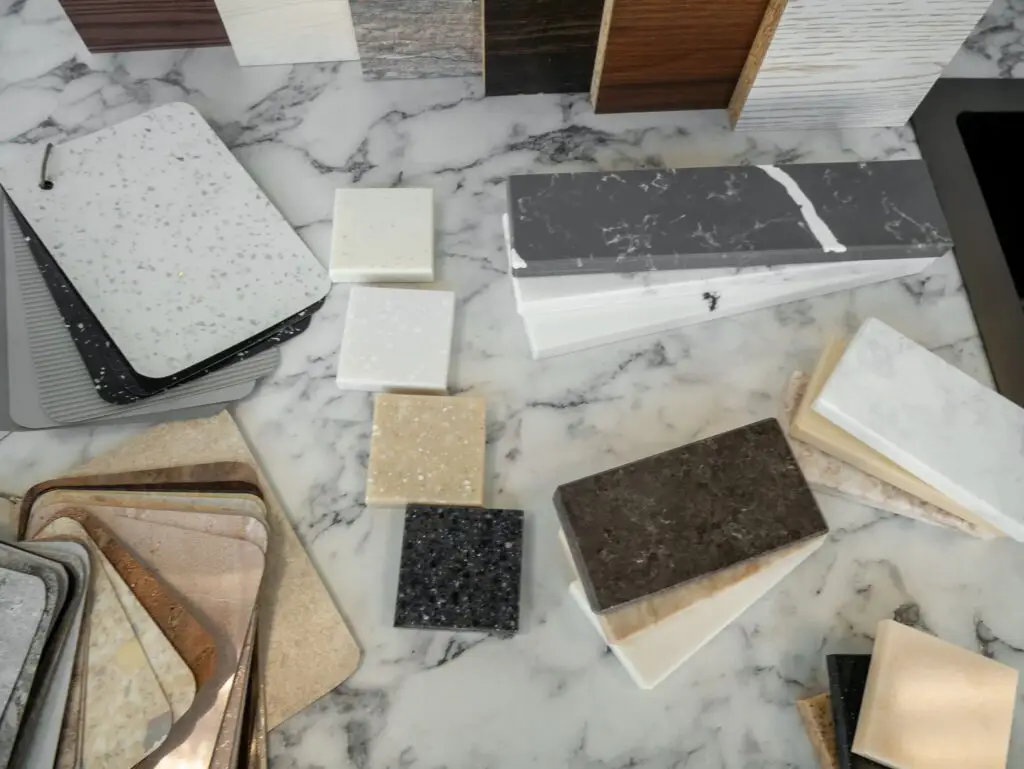
Quick Answer: Start With Your Priorities—Maintenance and Durability Usually Win
While aesthetics often draw homeowners into a showroom, performance is what keeps them satisfied. In the United States, the trend has shifted heavily toward materials that offer “functional luxury”—surfaces that look high-end but don’t require professional intervention to stay clean.
A simple “decision filter” homeowners can use in 60 seconds
To narrow your search, ask yourself these three questions:
- Am I okay with sealing my counters once a year? (If No: Choose Quartz or Porcelain).
- Do I often place hot pans directly on the surface? (If Yes: Choose Granite or Quartzite).
- Does the idea of a “patina” (scratches/dull spots) bother me? (If Yes: Avoid Marble and Soapstone).
Countertop Materials Comparison (What People Actually Ask)
Which is easiest to clean?
Quartz and Porcelain are the winners. Because they are non-porous, bacteria and liquids cannot penetrate the surface. A simple wipe with mild soap and water is all that is required. Unlike natural stone, they are not sensitive to common household cleaners.
Which is most heat-resistant?
Granite and Quartzite lead this category. Formed under intense volcanic heat, these natural stones can handle a pot straight from the stove. Porcelain also performs exceptionally well under high temperatures. Quartz, however, can suffer “thermal shock” or resin burn if exposed to extreme heat.
Which stains the least?
Quartz is nearly impossible to stain because it is engineered with resin binders that seal every microscopic pore. Porcelain is a close second. Marble is the most vulnerable, as it reacts chemically with acids like lemon juice or wine.
Natural Stone Options
Granite
The bedrock of American kitchen design. Granite is prized for its crystalline structure and immense durability. It is highly resistant to heat and scratches, making it ideal for those who “cook hard.”
Marble
The luxury standard. While beautiful, Marble is high-maintenance. It is a soft, porous stone that will “etch” (lose its shine) when in contact with acidic substances. It is best suited for low-traffic areas or for homeowners who appreciate a surface that “ages” with the home.
Quartzite
The best of both worlds. Quartzite is a natural stone (not to be confused with engineered Quartz) that offers the soft, elegant veining of Marble but with a hardness level that exceeds Granite. It is the premium choice for performance-minded luxury.
Engineered / Manufactured Options
Quartz
Engineered from roughly 93% natural quartz crystals and 7% polyester resin. It is the top-selling material in the U.S. due to its consistent patterns and zero-maintenance requirements.
Porcelain Slabs
A newer entrant to the market, these large-format slabs are kiln-fired at incredibly high temperatures. They are thin, lightweight, and can even be installed over existing countertops. They are completely UV-resistant and waterproof.
Solid Surface
An acrylic/resin blend. Its greatest strength is its “seamless” look—integrated sinks and invisible joints. However, it is soft and can melt if a hot pan is placed on it.
Laminate
An affordable option made of paper and plastic resins. Modern high-pressure laminates can mimic the look of stone surprisingly well, but they lack the longevity and heat resistance of solid materials.
Specialty Options (Best for Specific Needs)
Stainless Steel (Pro Kitchens)
The choice for serious chefs. It is entirely hygienic and heat-proof. However, it will scratch and can feel “cold” or “noisy” in a residential setting.
Concrete (Custom Look)
Ideal for industrial or farmhouse aesthetics. Concrete is poured to fit and can include custom pigments or embedded objects. It requires expert sealing to prevent it from acting like a giant sponge.
Wood (Warm Aesthetic, Needs Care)
Often used for islands or “prep zones.” Butcher block is warm to the touch and easy on knife blades, but it must be oiled regularly to prevent drying, cracking, and bacterial growth.
FAQs
Is quartz better than granite?
“Better” depends on your habits. Quartz is better for stain resistance and low maintenance. Granite is better for heat resistance and unique, natural beauty.
Do I need to seal granite or quartzite?
Yes. As natural stones, they are porous. A high-quality sealer should be applied upon installation and typically reapplied once every 12 to 24 months to maintain a barrier against oils and liquids.
What countertop is best for a busy family kitchen?
Quartz is generally the best for families. Between spilled juice, science projects, and heavy daily use, its non-porous surface provides the best protection against the chaos of a busy household.
Choosing the right material is only the first step. The true beauty and longevity of your kitchen depend on the quality of the fabrication and the precision of the installation. At JRL Granite & Marble, we specialize in transforming raw slabs into custom-fitted masterpieces. Our experts guide you through every mineralogical detail and design possibility to ensure your investment stands the test of time. Whether you desire the rugged soul of natural Granite or the modern perfection of Quartz, we bring your vision to life with unmatched craftsmanship. Ready to start your kitchen transformation? Contact JRL Granite & Marble today for an expert consultation.