
Granite is famous for its exceptional heat resistance—a primary reason it’s chosen for busy kitchens. However, while natural granite is incredibly tough, the surface finish and the components used in some engineered or low-quality granite slabs can still be susceptible to heat damage. Understanding what causes burn marks is the first step to successful removal and prevention.
At JRL Granite & Marble, we provide specialized advice for maintaining your granite’s pristine appearance, even after heat incidents.
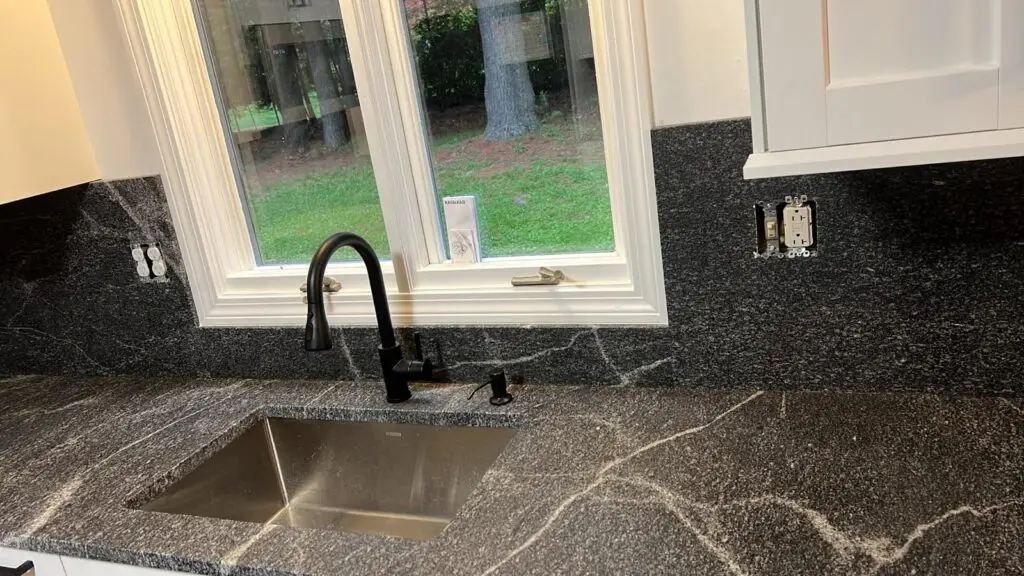
What Causes Burn Marks on Granite?
The actual cause of a “burn mark” on granite is often misunderstood and depends heavily on the specific stone you own.
Hot Pans and Appliances
Natural granite, being an igneous rock formed under intense heat, can withstand typical cooking temperatures. Placing a hot pot or pan from the stove directly onto a properly sealed granite surface will generally not damage the stone itself.
Heat Discoloration
If a black or darkened mark appears after contact with a hot item, it’s usually due to one of two reasons:
- Sealant Scorch: The intense heat caused the protective acrylic or polymer sealant on the granite surface to scorch or burn, creating a dull, cloudy, or yellowed mark.
- Iron Oxidation: If the mark appears brown or rust-colored, the extreme heat may have accelerated the oxidation (rusting) of trace iron minerals deep within the granite.
Surface Resin Damage on Some Granite Types
Some imported or lower-cost granite slabs are treated with a layer of colored or clear epoxy resin during fabrication to fill fissures and enhance color. This resin layer is not as heat-resistant as the natural stone and can easily melt, discolor, or etch when exposed to high temperatures, resulting in a permanent burn mark or haze.
How to Remove Light Burn Marks
If the burn mark is a superficial haze or scorch of the sealant, you can often address it with gentle methods.
Baking Soda Paste Method
For mild, cloudy scorch marks, try a gentle, non-acidic abrasive cleaner. Mix baking soda with water to form a thick, non-dripping paste. Apply the paste directly to the affected area and let it sit for several hours. Gently buff the area with a soft, clean cloth and rinse thoroughly. This can sometimes lift surface residue from the sealant.
Gentle Polishing with Stone-Safe Compounds
If the surface appears slightly hazy or dull but not deeply scarred, use a commercially available granite polishing compound. These compounds are designed to remove light imperfections and restore the shine of the surface finish. Always follow the manufacturer’s directions and use a soft buffer pad.
Cleaning Hazy Spots
If the burn mark is a cloudy haze over a large area, it is almost certainly damaged sealant or resin. You can attempt to carefully remove the compromised sealant using a specialized stone degreaser or a small amount of mineral spirits, then immediately re-seal that area once it is clean and dry.
Treating Deep Burn Stains
When heat has penetrated the granite’s pores or structurally damaged the resin coating, professional intervention is necessary.
Professional Diamond Polishing
If the heat mark has caused a depression or irreversible discoloration of the stone itself, a professional fabricator can attempt to resurface the area. This involves using specialized diamond polishing pads to grind down the top layer of the granite until the damage is removed, and then re-polishing the surface to match the surrounding stone.
Resurfacing Affected Areas
For granite treated with a resin, if the resin has bubbled or permanently yellowed, the affected section of the countertop may need to have the resin stripped and re-applied, a complex process that requires specialized equipment and chemicals to achieve a uniform finish.
When Full Restoration Is Needed
In cases of extreme damage—such as a large, discolored area on a resin-treated slab—the entire countertop may need a complete re-honing and re-polishing treatment by a professional to ensure consistent color and finish across the whole surface.
Preventing Future Burn Damage
Protecting your countertop from heat is the best long-term strategy.
Using Trivets or Heat Pads
Always use trivets, potholders, or silicone heat pads under pots, pans, and any heat-producing appliance (like slow cookers, hot plates, or toaster ovens) immediately after use. While granite is tough, the thermal shock and concentrated heat can still damage the sealant or the resin layer.
Avoiding Direct Contact with Appliances
Be aware that small appliances that produce heat underneath (like electric kettles or pressure cookers) should not be placed directly on the granite for long periods, especially if the stone is sealed with a lower-quality sealant or resin.
Checking Stone Sealing Regularly
Test your sealant every six months (using the water test—if water soaks in, the sealant has failed). A strong, consistent sealant layer is your best defense against both water-related issues and heat-related surface scorch.
FAQs
“Can granite scorch?”
Natural granite will not scorch in the traditional sense from standard cooking heat. However, the protective sealant or the resin used to finish the granite surface can and often does scorch, leading to a visible burn or discoloration mark on the countertop.
“Will sealant prevent burn marks?”
Sealant prevents water and oil from penetrating the granite. While it adds a minor buffer against heat, no sealant can guarantee protection against extreme, prolonged heat or thermal shock. The sealant itself is the part most likely to show burn damage.
“Can a burn mark be buffed out?”
A light scorch or haze caused by burned sealant can often be gently buffed out using a stone-safe polishing compound and then resealing the area. A deep structural burn, however, requires specialized diamond polishing and resurfacing by a professional fabricator.
Ensure your granite maintains its factory-fresh appearance with our expert maintenance services.
Contact JRL Granite & Marble today for professional sealing applications or repair consultations for heat damage.