
Replacing your kitchen countertops is arguably the single most impactful upgrade you can make to modernize your kitchen’s aesthetic and increase its functionality. However, understanding the true cost involves more than just the price per square foot of the material.
At JRL Granite & Marble, we provide detailed, transparent pricing that includes the specialized fabrication, cutting, and professional installation required to ensure a stunning, long-lasting surface. Here is a breakdown of the typical investment required for new countertops.
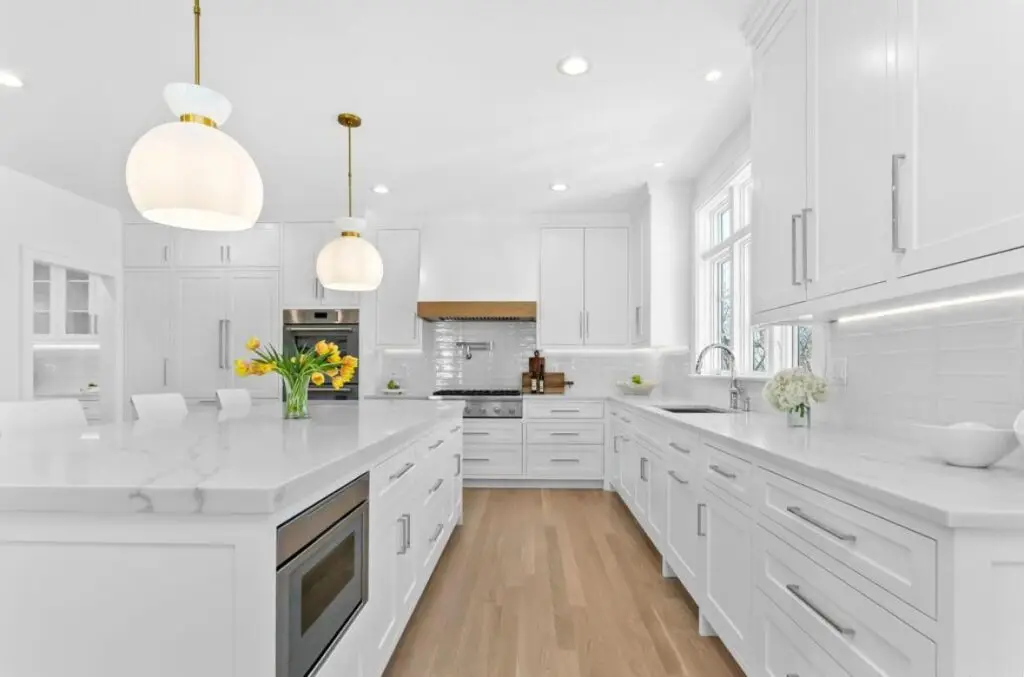
Average Cost to Replace Countertops
The total cost is a combination of the raw material price, the complexity of the fabrication, and the installation labor.
National vs. Massachusetts Pricing
Nationally, a mid-range kitchen countertop replacement (including material, fabrication, and installation) typically falls between $2,500 and $7,500. In high-cost markets like Massachusetts, premium materials and specialized labor mean homeowners should generally expect costs to be 10% to 25% higher than the national average for comparable stone or engineered surfaces.
Cost Per Square Foot by Material (Installed)
The following estimates include the material, standard fabrication (such as simple edge profiles and faucet hole drilling), and professional installation:
| Material Type | Installed Cost Per Square Foot (Approximate) |
| Laminate | $25 – $55 |
| Granite (Level 1–2) | $50 – $90 |
| Engineered Quartz | $65 – $150 |
| Marble (Standard Grade) | $75 – $150 |
| Porcelain Slabs | $80 – $180 |
Labor Installation Averages
For complex materials like natural stone, quartz, and porcelain, labor, fabrication, and installation typically account for 40% to 60% of the total project cost. This reflects the precision required for templating, cutting seams, polishing edges, and heavy lifting.
Cost by Popular Materials
Choosing the right material is the biggest factor in controlling your budget.
Granite
Granite is prized for its natural uniqueness and durability. Pricing is determined by the rarity of the color and pattern (Level 1 being common; Level 5+ being exotic). It requires occasional sealing but is highly resistant to scratching and heat.
Quartz
Quartz (engineered stone) is consistently one of the most popular choices. It is non-porous and requires no sealing, offering excellent resistance to stains and bacteria. The cost is often higher than mid-grade granite due to its uniform color and high demand.
Marble
Marble (such as Carrara or Calacatta) is considered a luxury surface. While beautiful, it is softer than granite or quartz and is prone to etching (from acids) and staining. Its cost is high due to rarity and demand, and it requires consistent maintenance.
Porcelain Slabs
Porcelain is a premium, high-performance option. Its ultra-high heat and UV resistance make it highly durable. While the material cost is competitive with high-end quartz, fabrication can be more complex due to the material’s hardness, impacting the final installed price.
Laminate (Budget Option)
Laminate is the most cost-effective solution, made of plastic-coated composite wood. It is lightweight and easy to install, but it is not heat or scratch-resistant and does not offer the high-end appeal of stone.
Additional Cost Factors
Many homeowners overlook the secondary costs associated with professional fabrication.
Edge Profiles
Standard pricing usually includes a basic edge profile (e.g., eased or straight). If you choose more decorative or complex profiles—such as bullnose, ogee, or waterfall edges—this requires significantly more time, material, and specialized polishing equipment, adding to the per-linear-foot cost.
Sink Cutouts and Faucet Holes
- Drop-in Sink Cutouts: Less expensive, as the sink rim covers the edge.
- Undermount Sink Cutouts: More expensive, as the exposed stone edge around the sink must be perfectly cut and highly polished. Each faucet hole drilled also adds a small fee.
Backsplash Fabrication
If you opt for a stone slab backsplash instead of tile, the cost increases based on the amount of material required and the precision needed to match seams or veining vertically.
Old Countertop Removal and Disposal
Demolition, removal, and disposal of your existing countertops (especially heavy tile or old stone) are often billed separately. This is a crucial step that must be done carefully to avoid damaging the underlying cabinets.
How to Budget for Countertop Replacement
Strategic material selection and planning can maximize value without sacrificing quality.
Choosing Cost-Effective Materials
If the budget is tight, focus on mid-grade granite (Level 1–2) or a stock color of engineered quartz. These provide the look and feel of stone with excellent durability at a lower cost than specialty or exotic slabs.
Benefits of Upgrading to Quartz or Porcelain
While the initial investment is higher, upgrading to non-porous materials like quartz or porcelain slabs offers zero maintenance and high stain resistance. This longevity and low long-term maintenance often justify the increased initial cost, particularly for busy families.
When Full Replacement Adds Resale Value
In the competitive real estate market, installing high-quality stone or engineered countertops (quartz, granite, porcelain) is a highly recommended update. It offers one of the best returns on investment for kitchen remodels, appealing instantly to prospective buyers who prioritize move-in-ready, modern finishes.
FAQs
“Is quartz cheaper than granite?”
Not necessarily. Entry-level granite (Level 1) is typically cheaper than entry-level quartz. However, high-end quartz often falls in the same price range as mid-to-high-level exotic granite slabs. Quartz maintains its price point due to its zero-maintenance benefits.
“How long does countertop installation take?”
The process is broken down into two phases:
- Templating and Fabrication (1–3 Weeks): Measuring the cabinets, digitizing the template, and cutting/polishing the slabs in the shop.
- Installation (1 Day): The physical installation and seam bonding usually take 4 to 8 hours in your home.
“Can I reuse my sink with new counters?”
Yes, provided the sink is in good condition. You must ensure that the new countertop material is cut precisely to the dimensions of your existing sink, and you will need to purchase a new mounting kit and plumbing accessories for reinstallation.
Ready to upgrade your kitchen with a beautiful, durable new surface?
Contact JRL Granite & Marble today for a personalized quote, material viewing, and expert fabrication consultation.