
When renovating a kitchen or bathroom, two of the most popular and luxurious countertop materials are granite and marble. Both are natural stones that offer incredible beauty and add significant value to a home, but they have key differences that can affect your decision. The best choice for you depends on your lifestyle, budget, and design preferences.
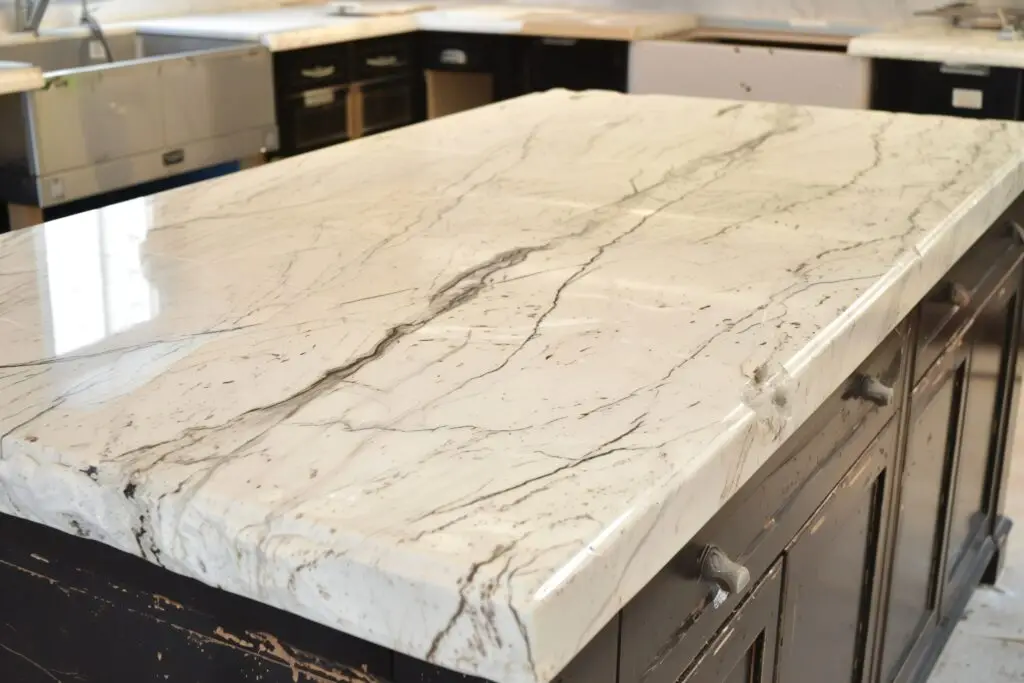
Key differences between granite and marble
Though both are natural stones, granite and marble are formed in different ways and have distinct characteristics.
Durability and maintenance
Granite is an igneous rock formed from volcanic magma, making it extremely hard and dense. It is highly resistant to scratches and heat, making it an excellent work surface for a busy kitchen. While porous, a properly sealed granite countertop is very stain-resistant and requires sealing only once a year.
Marble is a metamorphic rock formed from limestone. It is a softer and more porous stone than granite. This means it is more susceptible to scratching, chipping, and etching from acidic liquids like lemon juice, coffee, or wine. Marble requires more frequent sealing and careful cleaning to maintain its pristine look.
Cost and value
The cost of both materials can vary widely depending on the rarity of the color and pattern. Generally, marble is considered more expensive than granite, particularly prestigious varieties like Calacatta and Statuario. However, you can find exotic granites that are more costly than common marbles. Both materials add significant resale value to your home.
Style and aesthetics
Granite has a wide range of colors and patterns, from uniform, speckled surfaces to dramatic, flowing veins. Its aesthetic is often seen as bold and strong, with a dynamic character.
Marble is known for its classic, elegant look. Its signature soft, feathery veining and cool, white background are a symbol of luxury and sophistication that has been revered for centuries.
Pros and cons of granite countertops
Pros:
- Durability: Highly resistant to scratches and heat.
- Low Maintenance: With proper sealing, it’s very easy to clean and care for.
- Wide Variety: An enormous selection of colors and patterns to choose from.
- Adds Value: A highly sought-after material that boosts home value.
Cons:
- Requires Sealing: Must be sealed periodically to prevent stains.
- Appearance: Some may find the speckled or busy patterns less appealing than marble’s clean look.
Pros and cons of marble countertops
Pros:
- Timeless Elegance: Unmatched in classic beauty and luxury.
- Unique Look: Every slab is a one-of-a-kind piece of natural art.
- Adds Value: A prestigious material that significantly increases a home’s value.
Cons:
- Prone to Etching: The surface can be permanently marked by acidic liquids.
- More Maintenance: Requires careful cleaning and more frequent sealing.
- Softer Surface: More susceptible to scratching and chipping than granite.
Which countertop material fits your lifestyle?
The best material is the one that aligns with how you use your space.
- Choose Granite if: You have a busy, high-traffic kitchen and want a durable, low-maintenance surface that can stand up to daily use without worry. It’s the perfect choice for a family that loves to cook and entertain.
- Choose Marble if: You dream of a classic, elegant kitchen and are willing to put in the effort to protect and maintain its beauty. Marble is ideal for a homeowner who sees their countertop as a cherished piece of furniture.
For expert advice and a seamless installation, trust the professionals. JRL Granite & Marble specializes in the fabrication and installation of both granite and marble, ensuring you get the perfect countertop for your home.
Ready to find the perfect stone for your lifestyle? Contact us today for a free, no-obligation consultation!